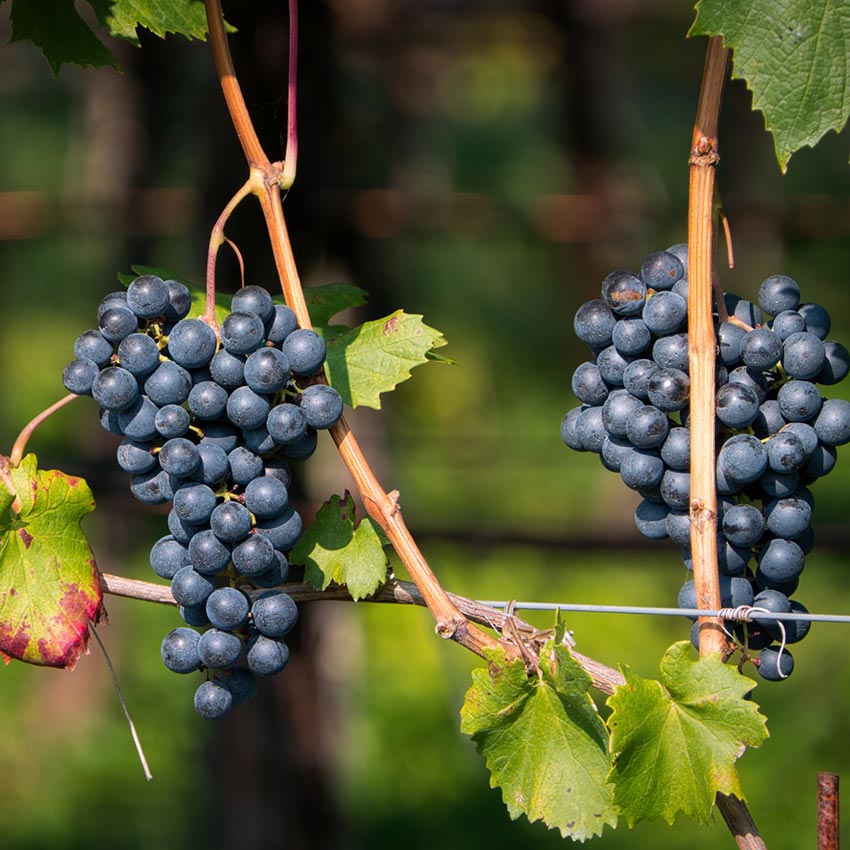
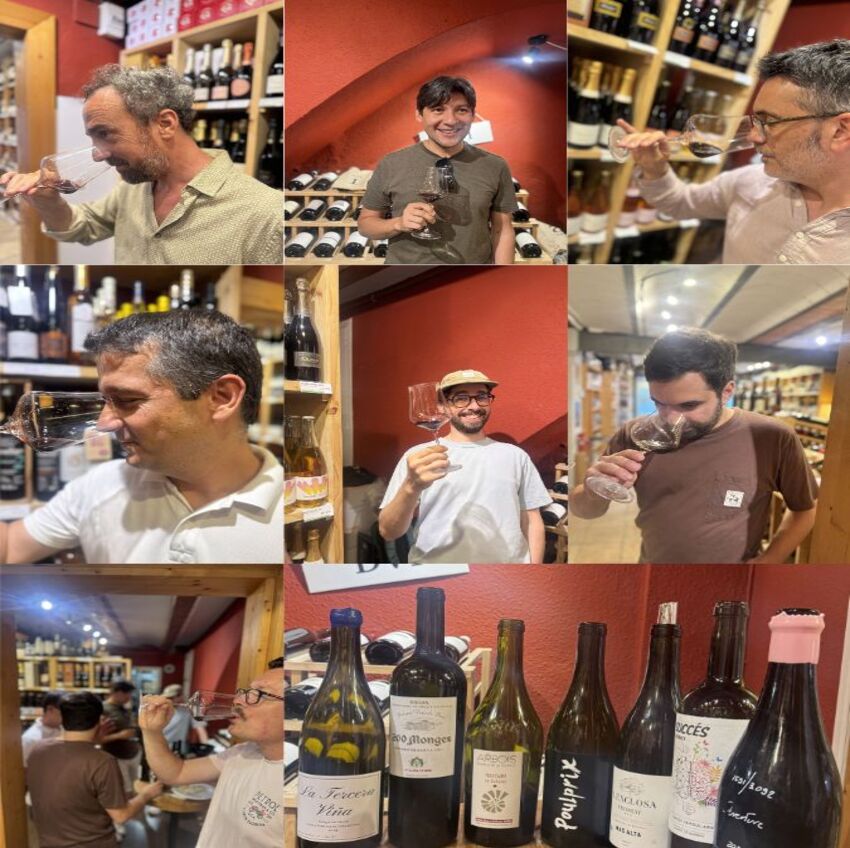
At the heart of a growing trend toward sustainability and natural products, organic wines are increasingly making their mark on the market. These wines not only respect the environment by avoiding the use of pesticides and synthetic fertilizers, but they also offer a purer expression of the terroir. In our latest blog post, we explored the pioneering regions in organic viticulture, the challenges winemakers face, and how these wines are gaining a prominent place on the tables of discerning wine lovers.
Certification and Process
For a wine to be certified organic, it must comply with a series of strict regulations that govern everything from viticulture to winemaking. Organic winemakers opt for methods that promote ecological balance and conserve biodiversity, such as the use of natural compost and integrated pest management without harmful chemicals. This approach not only protects the environment but also ensures that the grapes grow in a way that reflects their true essence.
The Impact of Organic Wine on Quality and Flavor
One of the key principles behind organic wines is that, by not being exposed to harsh chemicals, the grapes can develop a more complex and nuanced flavor profile. Many enthusiasts claim that organic wines possess a distinctive clarity and purity, with more defined fruity and earthy notes. Furthermore, it is argued that these wines are generally easier on the digestive system, thanks to the absence of pesticide residues.
Challenges and Opportunities
Despite its benefits, organic viticulture presents unique challenges, especially regarding disease and pest management without the use of synthetic herbicides or pesticides. This approach requires more labor and more careful vineyard management, which can translate into higher production costs. However, the growing demand for sustainable and healthy products is opening up new market opportunities for organic wines.
Looking to the Future
The organic wine industry continues to evolve, and organic farming techniques are constantly being refined to improve efficiency and effectiveness. With a growing number of consumers valuing transparency and ethics in food and beverage production, the future of organic wines looks promising. Consumers are increasingly informed and willing to invest in wines that are not only exceptional in flavor but also environmentally responsible.
Discover with us the characteristics that make organic wines unique and why they could be your next great choice. By exploring and learning about these wines, you’ll not only enrich your palate but also contribute to a more sustainable future.
Related articles
🍷 Why are we drinking increasingly fresher wines?
For a long time, when we talked about a great red wine we thought about structure, concentration, aging, power and aging potential.
Today, however, something...
Blind wine tasting: when labels disappear and glasses speak
An evening of wine, friendship, and surprises
Last Monday, June 8th, we met again for another blind wine tasting with wine-loving friends and industry profes...
Did you know that Port wines, also called Porto wines, were created by English merchants at the end of the 17th century?
At that time, wines could not withst...